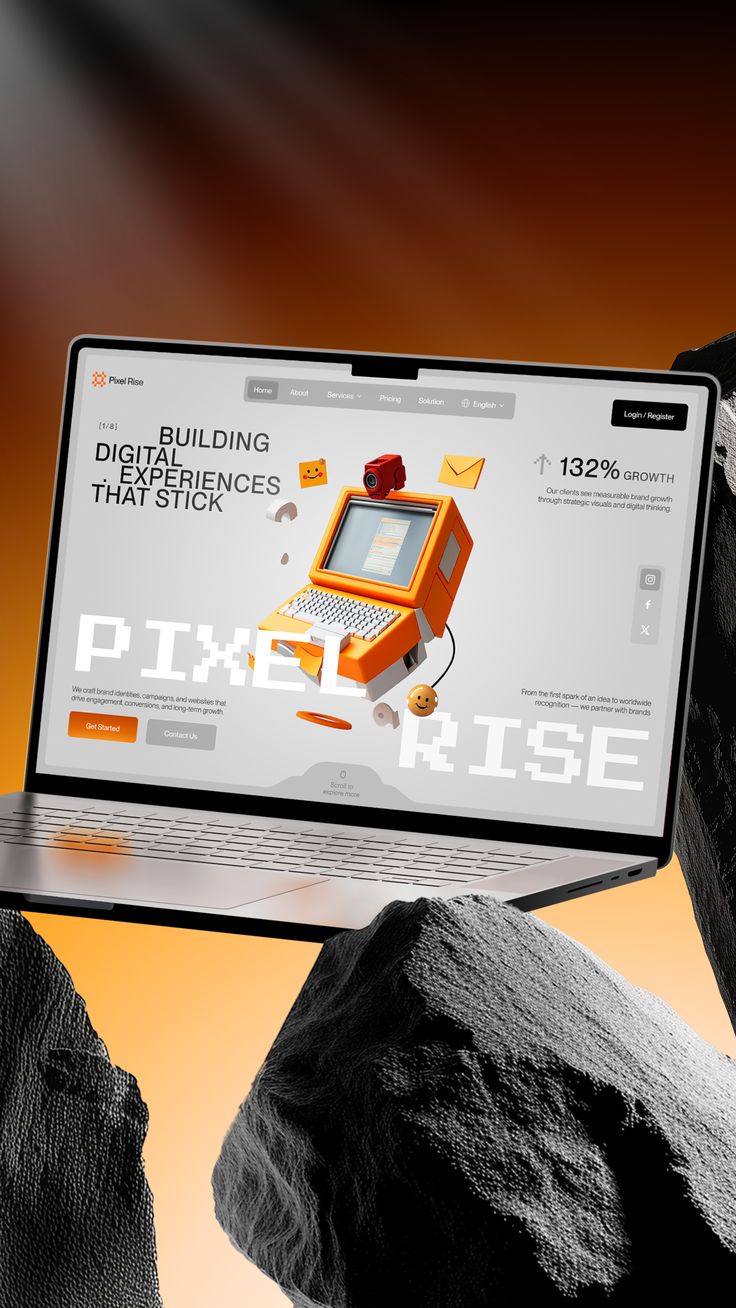
What We Learned From Rebranding Businesses in Dubai
A business can grow, introduce new services, and reach new customers while its brand still shows an earlier stage of its journey. Its logo may feel outdated, the brand message may no longer reflect the business, or the website and social media may give customers mixed impressions.
From a marketing agency’s perspective, rebranding involves more than giving a business a new look. It starts with understanding its message, target audience, and goals. At The Marketing Socials, we look at how branding connects with website design, SEO, social media management, and advertising to create a consistent brand identity across all marketing channels.
For businesses in Dubai, carefully planned rebranding helps them stand out in a competitive market and connect with the right audience.
Based on our experience in marketing, here are the key lessons businesses should consider before starting a rebrand.
How to Know When Your Business Needs a Rebrand
Your business may need a rebrand when its identity no longer reflects its goals, services, or target audience. Look for these signs:
- Outdated visuals: Your branding no longer reflects your business’s current direction.
- Unclear messaging: Customers struggle to understand your services or value.
- Changing business goals: You are targeting a new audience or entering a different market.
- Inconsistent branding: Your website, social media, and marketing materials communicate different messages.
- Weak market differentiation: Your brand struggles to stand out from competitors.
Before committing to a full rebrand, identify the underlying problem. You may need a visual refresh, clearer messaging, or a broader change in brand positioning rather than a complete overhaul.
1. Start With the Business Problem, Not the Logo
One of the biggest lessons in rebranding is to understand what needs to change before working on the design. A new logo won’t solve problems like unclear messaging, weak positioning, or attracting the wrong audience.
Before beginning a rebrand, ask:
- Does our current brand reflect the business we are today?
- Can customers understand what makes us different?
- Are we attracting the right audience?
- Do our website and social media communicate the same message?
- Have our services, prices, or business goals changed?
The answers help establish whether the business needs new visuals, clearer positioning, or a more substantial change.
2. A New Logo Cannot Fix Unclear Messaging
Visual identity helps customers recognise your business, while brand messaging explains what you offer, who you serve, and why your business is worth considering. During a rebrand, both should communicate the same positioning.
For example, a business targeting larger corporate clients may need to update not only its visual identity but also its service descriptions, website content, and value proposition.
The lesson: A good design attracts attention, but clear messaging helps customers understand your value.
3. Your Brand Should Reflect the Customers You Want to Reach
Your brand should reflect the customers you want to reach today, not just the ones you served when your business started. For example, if you’re moving from small businesses to larger clients, your messaging and website should communicate the expertise and services they need.
For businesses in Dubai, it’s important to consider different languages, cultural expectations, customer priorities, and buying behaviours. Make these decisions based on your actual customers and their preferences, rather than assumptions about the wider market.
Before changing your brand, define:
- Who are your target customers?
- What problems do they need to solve?
- What matters when they choose a provider?
- How should the brand communicate with them?
This will help you build a brand that connects with the right audience.
Read More – What Should a Complete Brand Identity Package Include?
4. Your Website and Social Media Need to Tell the Same Brand Story
Your brand may look consistent in a presentation but feel different across your website, social media, and advertisements. For example, your website may sound professional while your Instagram posts use a completely different tone, making your brand feel disconnected.
Each platform serves a different purpose, so the content should suit its audience while keeping the same core identity.
| Platform | Main Purpose | What to Keep Consistent |
| Website | Explain services and encourage enquiries | Brand messaging, design, and CTA |
| Show brand personality and engage audiences | Colours, fonts, imagery, and tone | |
| Build professional credibility | Brand voice, service information, and visuals | |
| Paid Ads | Promote offers and generate leads | Messaging, visuals, and landing-page content |
| Sales Materials | Present the business to potential clients | Logo, service descriptions, and brand messaging |
The important point is that these platforms have different jobs. However, the business name, core message, visual identity, and service information should be recognisable. When rebranding, review all customer-facing channels to make sure they reflect your updated identity.
5. Protect the Trust You Have Already Built
Rebranding should help customers understand your business better without making them feel disconnected from a brand they already know. Sudden changes can cause confusion, especially among loyal customers.
To make the transition easier:
- Explain the reason for the change when customers need that context.
- Keep essential contact information accessible.
- Update your website and social profiles consistently.
- Inform existing customers and relevant business partners where appropriate.
- Make sure the new identity still reflects the qualities customers value about your business.
A simple visual refresh may need little explanation, but a major change in your business name or positioning requires clearer communication.
6. Plan SEO Before Changing Your Website
Rebranding can affect your Google rankings if you change your website structure, URLs, or domain without proper planning. For example, removing pages that bring organic traffic or failing to redirect old URLs can lead to lost traffic and broken links.
Before launch, review the existing website and identify what should be retained, improved, redirected, or removed.
Your SEO checklist should include:
- Reviewing important pages and their existing organic traffic.
- Identifying useful content and pages that attract enquiries.
- Mapping old URLs to their relevant new destinations if URLs change.
- Setting up appropriate redirects where required.
- Updating internal links, canonical tags, and the XML sitemap where relevant.
- Checking page titles, meta descriptions, headings, and service information.
- Monitoring indexing, search visibility, traffic, and conversions after launch.
Remember: A visual refresh doesn’t always require website changes. If your current website performs well, keeping its existing structure can help avoid unnecessary disruption.
7. Decide Whether You Need a Brand Refresh, Repositioning, or Full Rebrand
Each option serves a different purpose, so the right choice depends on what your business needs to change.
| Option | Best For | What Changes |
| Brand refresh | A brand that feels outdated but still reflects the business | Colours, fonts, logo, and design elements |
| Brand repositioning | A business targeting a new audience or communicating a different value | Messaging, value proposition, and target audience |
| Full rebrand | A business whose identity no longer fits its direction | Brand strategy, visuals, messaging, website, and marketing materials |
Choose the option that solves your business problem rather than changing everything unnecessarily.
8. Use This Checklist Before Committing to a Rebrand
Before investing in a rebrand, use this checklist to identify what needs to change and choose the right approach.
| Question | What Your Answer Tells You |
| Does our brand reflect our current business goals? | Identify changes needed in positioning or visual identity. |
| Do customers understand our services and value? | Review your messaging, service descriptions, and differentiation. |
| Are we attracting the right audience? | Reassess your target customers and how your brand communicates with them. |
| Is our branding consistent across our website and social media? | Review your website, social media, advertisements, and sales materials. |
| Do we have a clear reason for rebranding? | Identify the problem and decide whether a refresh, repositioning, or full rebrand is appropriate. |
Use your answers to decide your next step. You may need a visual refresh, clearer messaging, updated positioning, or a complete rebrand. Focus on fixing the actual problem rather than changing elements that already work well.
9. A Rebrand Needs a Plan After Launch
Launching a new logo or website is only the beginning. Update all brand assets, including your website, social media profiles, ads, email signatures, and sales materials.
Measure the results against your original goals. If you want more leads, track relevant enquiries, lead quality, and conversion rates. If you want stronger brand recognition, monitor branded searches, audience feedback, and engagement.
Compare these results with your pre-rebrand performance. Remember, a rebrand alone cannot guarantee more traffic or sales. Its success depends on how well your brand strategy, website, customer experience, and marketing work together.
Read More – How to Build a Luxury Brand in Dubai
How The Marketing Socials Can Help With Rebranding
At The Marketing Socials, we connect branding with the wider marketing strategy, ensuring your new identity works across your website, search presence, social media, and advertising.
Our support can cover different stages of the process, depending on your business needs.
- Brand strategy and identity: We can help clarify your positioning, messaging, visual direction, and the guidelines needed to present your business consistently.
- Website design and development: We can help align your website with the updated brand, making service information easier to understand and customer actions easier to find.
- SEO: We can review relevant website content and search considerations as part of the rebrand, helping protect useful existing pages and plan necessary changes.
- Social media marketing: We can help translate brand guidelines into platform-appropriate content, graphics, captions, and profile updates without making every channel look identical.
- Digital advertising: We can help align campaign messaging and creative with the new brand, so advertisements and landing pages present a consistent offer.
Some businesses may need only a visual refresh, while others may require a broader strategy connecting branding, website improvements, and lead generation. We start by understanding your challenges, goals, and target audience before recommending the right approach.
When Not to Rebrand Your Business
A rebrand isn’t always necessary. Sometimes, improving your existing branding or marketing is enough.
- Your brand is still working: Customers recognise your business, and your identity reflects your goals.
- Your marketing needs attention: Low leads may result from weak content, targeting, or website issues.
- You’re following trends: Changing your branding just because competitors are doing so may weaken recognition.
- Your messaging is unclear: You may only need to explain your services and value more clearly.
Before investing in a rebrand, identify what’s actually wrong. If your brand identity still works, focus on improving it rather than starting over.
Read More – How to Turn Brand Guidelines Into Social Media Templates
Common Rebranding Mistakes Businesses Should Avoid
Rebranding can strengthen your business identity, but poor planning can confuse customers and affect marketing performance. Avoid these common mistakes:
- Changing visuals without fixing messaging: A new logo cannot solve unclear positioning or service descriptions.
- Ignoring existing customers: Communicate significant changes clearly to maintain customer trust.
- Overlooking SEO: Review existing website performance and plan URL redirects before making structural changes.
- Inconsistent brand updates: Update your website, social media, ads, and marketing materials to reflect the new identity.
- Following trends blindly: Choose a brand identity that suits your business goals and target audience.
- Expecting instant results: A rebrand alone cannot guarantee more traffic, leads, or sales.
Key takeaway: A successful rebrand requires clear goals, careful planning, and consistent implementation across all marketing channels.
Final Thoughts
The right rebranding approach depends on what needs to change. If your strategy still works but your visuals feel outdated, a refresh may be enough. If your audience or business direction has changed, repositioning or a full rebrand may be more suitable.
Before making the investment, identify the problem, define what success should look like, and consider how the change will affect your entire marketing presence.
If you are planning a rebrand, The Marketing Socials can help you assess your branding and digital marketing needs and decide which changes make sense for your business.
FAQs
How much does rebranding cost in Dubai?
It depends on what your business needs, from a simple visual refresh to a complete rebrand with a new website and marketing materials.
How can you rebrand your business without losing existing customers?
Keep the parts of your brand that customers already recognise and trust, while updating the elements that no longer fit your business. Communicate significant changes clearly and update your website, social media, and other customer touchpoints consistently to avoid confusion.
How long does a business rebrand take?
A simple refresh may take less time, while a complete rebrand requires more planning, design, and implementation.
Do I need to change my business name when rebranding?
No, you can keep your existing name if it still suits your business and target audience.
Will rebranding affect my Google rankings?
A visual update alone may not affect rankings, but changing your website URLs or domain can affect search visibility if not handled properly.
How do I choose a rebranding agency in Dubai?
Choose an agency that understands your goals, explains its process clearly, and can show relevant examples of its work.