What Should a Complete Brand Identity Package Include?
A strong brand needs more than an attractive logo. It also needs a clear identity that helps customers recognise it and understand what makes it different. At Our Marketing Agency, we believe branding should reflect your business goals, meet customer expectations, and support your marketing efforts. If a business has a logo but no clear brand guidelines for colours, fonts, and visuals, it struggles to maintain a consistent look across its website, social media, and other marketing materials.
A complete brand identity package helps bring these elements together. It gives a business the visual assets and guidelines it needs to present itself consistently across channels. Whether you are launching a new business or updating an existing brand, knowing what a package includes can help you choose the right services for your needs.
In this guide, we explain the key elements of a brand identity package, what may be included as an additional service, and how to choose a package that supports your business goals.
What Is a Brand Identity Package?
A brand identity package brings together the visual elements, guidelines, and assets a business needs to maintain a consistent look across different platforms. Depending on the package, it may also cover brand strategy and messaging.
It helps your business maintain a consistent, recognisable identity across your website, social media, packaging, presentations, and other customer touchpoints.
A logo is only one part of your brand identity. A complete package brings all the key elements together so they work as one brand.
What Should a Complete Brand Identity Package Include?
What’s included can differ from agency to agency and project to project, but a complete brand identity package typically covers the following key elements.
1. Brand Strategy and Positioning
Before designing a logo or choosing colours, you need to understand the business, its audience, and what makes it different from others.
Brand strategy helps set the direction for the design. It may include:
- Target audience
- Brand positioning and key message
- Competitor research
- Brand personality
- Business goals
- Design direction
Understanding the business and its audience helps you choose an approach that fits. Without this direction, branding decisions may rely more on personal taste than on what the business needs.
2. Logo Design and Variations
A logo is often the most recognisable part of a brand, but one version may not work for every platform or layout. That’s why a brand identity package may include different logo variations, such as:
- Primary logo
- Secondary logo
- Horizontal and stacked versions
- Brand icon or symbol, if needed
- Light and dark versions
- Single-colour versions
Not every business needs all these versions. The goal is to make sure the logo works well wherever the brand needs to use it.
3. Brand Colour Palette
A brand colour palette defines the colours used across a business’s branding. It includes primary colours, supporting shades, and accent colours, along with their exact colour codes.
A package may include:
- HEX and RGB codes for digital use
- CMYK codes for printing
- Pantone references, if needed
- Guidelines on how to use and combine colours
A consistent colour palette helps your website, social media posts, presentations, and printed materials look connected.
Read More – How to Build a Luxury Brand in Dubai
4. Typography System
Typography is an important part of brand identity. The fonts used in headings, website text, ads, and presentations affect how people see and read your brand.
A typography system may include:
- Primary and secondary fonts
- Heading and body text styles
- Font sizes and weights
- Guidelines for using each font
- Alternative fonts for digital use
- Font licensing details
Choosing the right fonts helps keep your branding consistent and makes your content easy to read across different devices and materials.
5. Supporting Visual Elements
A brand identity includes more than a logo, colours, and fonts. Other visual elements help give the brand a consistent look and make its content easier to recognise.
Depending on the business, these may include:
- Icons and illustrations
- Shapes and patterns
- Image styles
- Photography guidelines
- Layout designs
- Textures and other graphic elements
These elements should match the brand’s personality and suit its marketing needs. Not every business needs custom graphics or patterns, so the choices should depend on how the brand will be used.
6. Brand Voice and Messaging
A brand needs a consistent voice as well as a consistent visual style. Brand voice guidelines explain how a business should communicate with its audience.
Depending on the package, they may include:
- Brand personality
- Tone of voice
- Key messages
- What makes the business different
- Tagline or brand story
- Examples of words and phrases to use
These guidelines help keep website content, social media posts, and ads consistent. Detailed copywriting and messaging research may be separate services, so check what’s included in the package.
7. Brand Guidelines
Brand guidelines explain how to use the different elements of your brand consistently. They bring everything together in one document that employees, designers, developers, and other partners can refer to.
A brand guidelines document may include:
- Logo placement, spacing, and size
- Approved colour combinations
- Font styles and usage
- Photography and graphic styles
- Examples of correct and incorrect logo use
- How the branding should look across different materials
- Brand voice guidelines, if included
Without clear guidelines, team members may use different fonts, colours, or logo versions, making the brand look inconsistent. Guidelines should be simple to follow and useful in everyday work, so everyone can apply the brand correctly.
8. Marketing Materials and Brand Templates
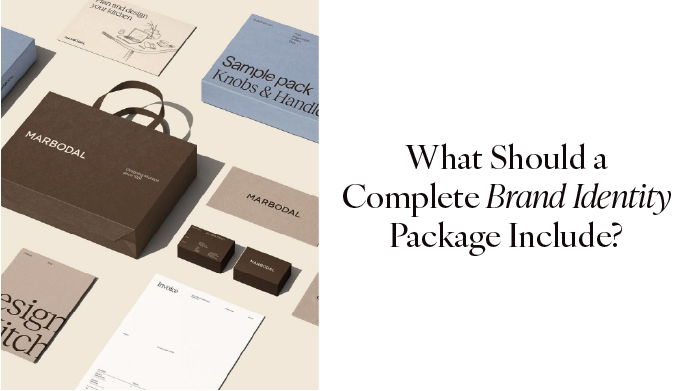
Once the brand identity is ready, the business needs ways to use it across its marketing materials. Depending on the package, these may include:
- Social media profile images and banners
- Social media post templates
- Business cards and letterheads
- Email signatures
- Presentation templates
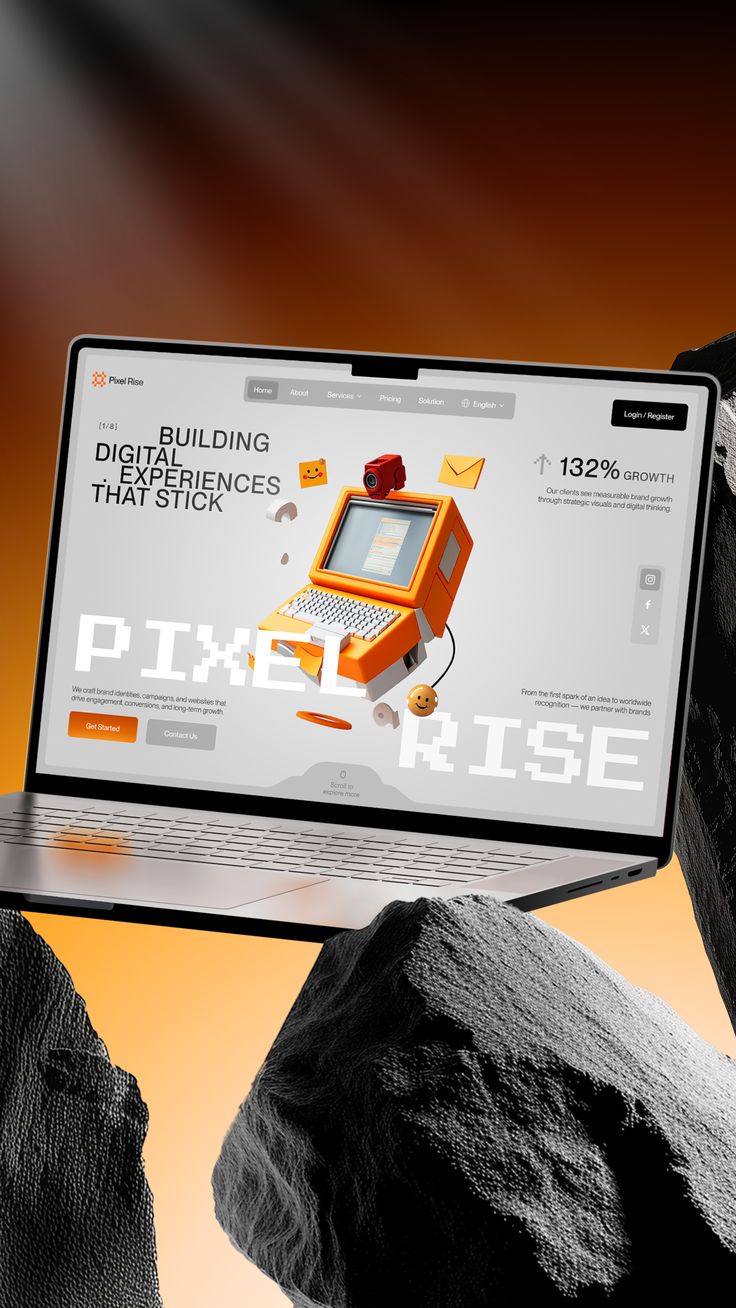
- Website graphics
- Brochures and other marketing materials
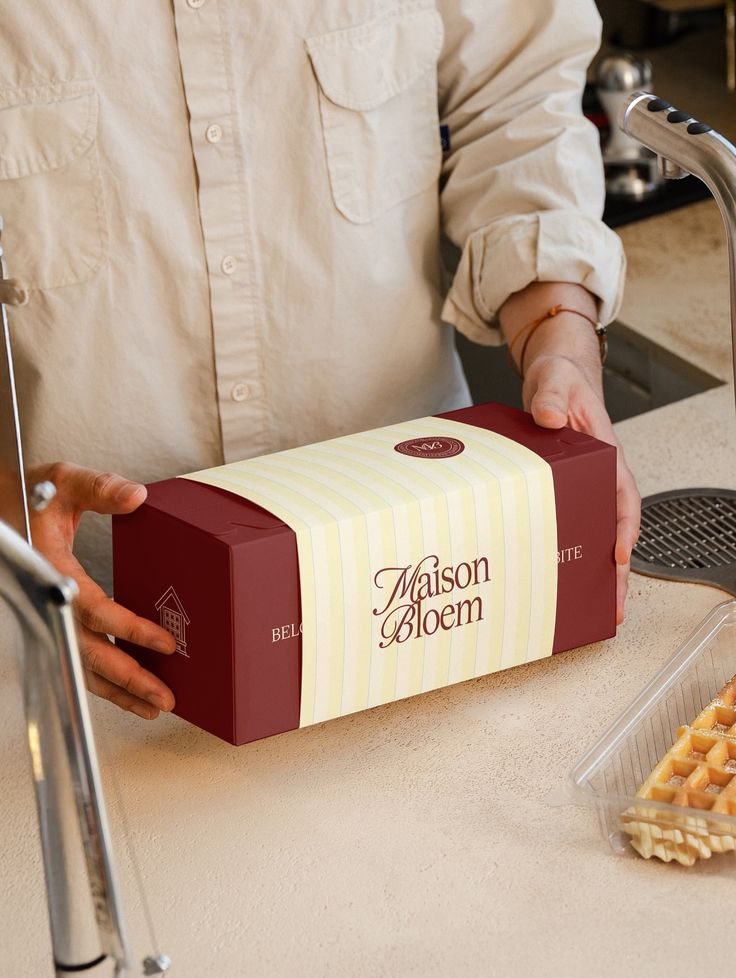
- Packaging designs, if needed
The right materials depend on the business and how it connects with customers.
Before choosing a package, check whether it includes finished designs, editable templates, or presentation mockups. These serve different purposes and offer different levels of flexibility
9. Final Brand Files and Handover
At the end of the project, you should receive the agreed brand files and assets. Depending on the package, these may include:
- High-resolution logo files
- Vector files that can be resized without losing quality
- Transparent PNG files
- Web-ready assets
- Print-ready files, if needed
- Editable source files, if agreed
- Brand guidelines and other supporting documents
Before the project begins, clarify which files you’ll receive, who owns the final designs, and how you can use them. Also, check whether any fonts or third-party assets have licensing restrictions.
A clear handover makes it easier for your team and future marketing partners to use the brand without unnecessary delays.
Read More – Why Real Estate Startups Should Invest in Branding Before Marketing
What Is Not Always Included in a Brand Identity Package?
A complete brand identity package doesn’t always cover every branding or marketing service. What’s included depends on the agency and the scope of the project, and some services may cost extra.
These may include:
- Business naming: Developing and researching a suitable business name.
- Trademark services: Legal searches, advice, and registration.
- Website design and development: Creating and building the website.
- Photography and videography: Producing original visual content.
- Printing and packaging production: Manufacturing physical materials.
- Social media management: Planning, publishing, and managing ongoing content.
- Advertising campaigns: Developing and running paid marketing campaigns.
For example, a package may include social media templates but not ongoing social media management. It may also cover website graphics without including website development.
Before agreeing to a package, check what’s included, what’s not, and whether any extra services will cost more.
How to Choose the Right Brand Identity Package for Your Business
The best brand identity package isn’t the one with the most deliverables. It’s the one that fits your business needs.
Keep these points in mind when comparing packages.
- Start with your business goals. A new business may need a complete brand identity, while an established business may only need updated guidelines or a few new design elements.
- Consider your marketing channels. Think about where you’ll use your branding, such as your website, social media, presentations, packaging, or printed materials.
- Check what’s included. Ask for a clear list of designs, file formats, templates, revisions, and exclusions. Don’t compare packages based on their names or prices alone.
- Understand the agency’s process. Find out how the agency learns about your business, audience, and competitors before starting the design work.
- Plan for future use. Make sure your team will receive the files and guidelines needed to use the branding consistently as your business grows.
Taking time to compare your options can help you choose a package that suits your needs and is easy to use in your day-to-day marketing.
How The Marketing Socials Approaches Brand Identity
At The Marketing Socials, we understand that every business has different branding needs. Our approach depends on your goals, target audience, market position, and marketing plans.
Branding involves more than creating a logo or simply choosing colours. Your identity should work across the channels you use to connect with customers. Before starting a project, we consider which design elements, guidelines, and marketing materials will be most useful for your business. A clear brand identity helps keep your website, social media, and other marketing materials consistent.
We also consider how branding connects with other marketing activities, such as content creation, website design, and social media management, depending on the project’s scope.
If you’re building a new brand or updating your existing identity, The Marketing Socials can help you find a branding solution that suits your business and marketing goals.
Conclusion
A complete brand identity package should offer more than just a good-looking logo. It should include the design elements, guidelines, and marketing assets your business needs to maintain a consistent brand identity.
Each element, from logo variations and typography to brand guidelines and final files, should serve a purpose. The right package depends on your business goals, audience, and where you plan to use your branding.
Before choosing a package, check what’s included, which services cost extra, and how you’ll use the final designs. This will help you choose a package that fits your needs and supports your wider marketing efforts.
FAQs
1. Is a brand identity package the same as a branding package?
The terms often overlap, but a branding package may include wider services such as brand strategy, messaging, or implementation. Check the specific deliverables before choosing a package.
2. Does a brand identity package include a website?
Not necessarily. Some packages include website visual assets, while website design and development may be separate services.
3. How many logo variations should a brand identity package include?
There is no fixed number. The package should provide the logo versions needed for the business’s intended applications.
4. Do small businesses need brand guidelines?
Yes. Even basic guidelines can help small businesses use their logos, colours, fonts, and visual elements consistently across marketing materials.
5. Should a brand identity package include editable files?
It depends on the agreement. Ask which final files, source files, and editable templates will be provided before approving the proposal.
6. When should a business consider rebranding?
A business may need a rebrand when its positioning changes, it enters a new market, or its existing identity no longer reflects its goals. Sometimes, a focused update is enough.