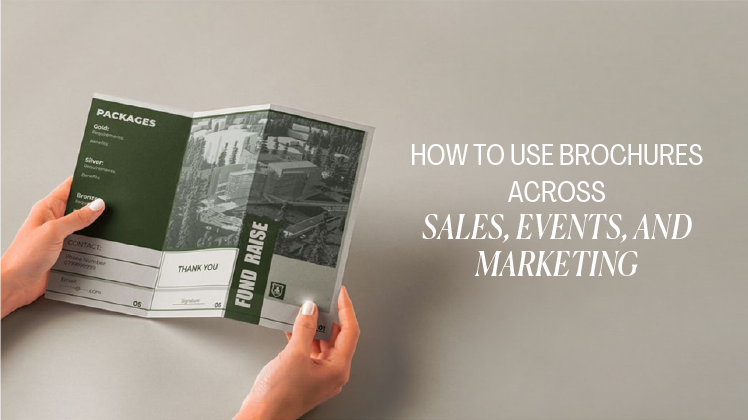
How to Use Brochures Across Sales, Events, and Marketing
Even in today’s digital world, a well-designed brochure remains one of the most effective marketing tools for building trust, sharing information, and creating a professional brand image. It helps sales teams explain services clearly, supports marketing campaigns, creates stronger impressions at events, and gives potential customers something valuable they can keep and revisit later.
From retail stores and real estate companies to healthcare clinics and corporate brands, brochures continue to play a major role in both offline and online marketing strategies. Businesses now use brochures not only in printed form but also as digital PDFs, downloadable company profiles, and interactive online presentations.
In this blog, we’ll explore how brochures can be used effectively across sales, events, and marketing, why they still matter today, and how businesses can maximize their impact for better customer engagement and conversions.
What Is a Brochure and Why Does It Still Matter?
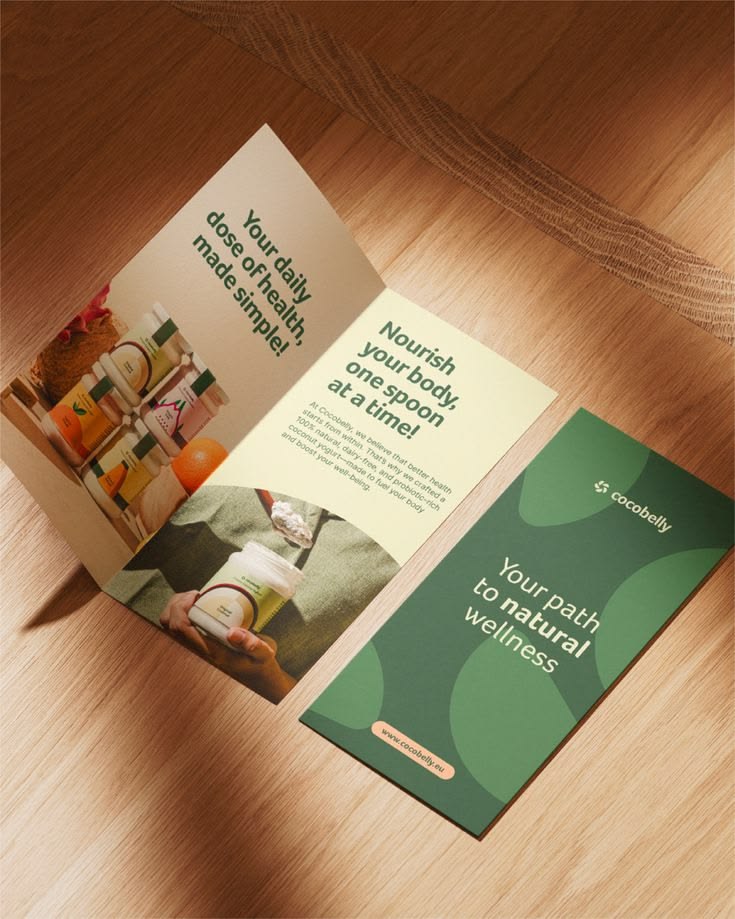
A brochure is a professionally designed marketing document used to provide information about a company, product, service, or event. Brochures are commonly distributed during meetings, trade shows, exhibitions, product launches, and direct marketing campaigns.
Why Brochures Still Work in the Digital Age
Many people assume brochures are outdated because of digital marketing, but brochures still offer advantages that online ads often cannot.
Printed brochures create a physical connection with customers. People tend to remember information better when they can hold it and read it. Digital brochures have also become very popular. Businesses now share brochures as PDFs through websites, emails, WhatsApp, and social media platforms.
This makes brochures flexible for both offline and online marketing.
Read More – Brochure vs Flyer vs Catalog
How Brochures Help Improve Sales
Brochures are powerful sales tools because they help customers understand what a business offers clearly and professionally.
Creating Strong First Impressions
A professionally designed brochure immediately makes a company appear more credible and trustworthy. When customers receive a high-quality brochure with a clean design, good visuals, and clear messaging, they are more likely to take the business seriously.
Explaining Products and Services Clearly
Brochures allow businesses to explain their products or services in detail without confusing the customers.
For example, a brochure can include:
- Product features
- Benefits
- Pricing information
- Service packages
- Testimonials
- Visual examples
This helps potential customers make informed decisions more easily.
Supporting Sales Teams During Meetings
Sales representatives often use brochures during client meetings and presentations.
Instead of explaining everything verbally, brochures act as visual support material that customers can follow along with. They also give customers something to take home and review later. This increases the chances of follow-up inquiries.
Encouraging Purchase Decisions
A well-structured brochure can influence buying decisions by highlighting customer benefits.
Businesses often include:
- Limited-time offers
- Promotional discounts
- Testimonials
- Success stories
- Clear call-to-actions
These elements encourage customers to take action faster.
Using Brochures in Retail Stores and Showrooms
Retail stores, furniture showrooms, automobile companies, and real estate businesses frequently use brochures to showcase products visually.
For example:
- Real estate companies use brochures for property listings
- Automobile brands use them for vehicle specifications
- Furniture stores use them as product catalogs
This creates a better customer experience and improves engagement.
Read More – Brochure Design for Dubai Real Estate Business
Using Brochures Effectively at Events and Trade Shows
In highly competitive environments like events and trade shows, businesses need to capture attention quickly. Brochures help businesses stand out while providing attendees with useful information.
Why Brochures Are Important at Events
At exhibitions and networking events, where attendees often have to interact with multiple brands in a short time. A brochure can help people remember your company even after the event ends.
Brochures are especially useful because they:
- Share information quickly
- Support face-to-face conversations
- Improve brand recall
- Help generate leads
What to Include in Event Brochures
An effective event brochure should include:
- Company introduction
- Products or services
- Key benefits
- Contact information
- Website and social links
- QR codes
- Event offers or discounts
The content should remain concise, informative, and visually engaging.
Designing Brochures for Maximum Event Engagement
At events, people usually scan brochures quickly. This makes design extremely important.
An event brochure should have:
- A strong cover page
- Clear headlines
- Professional visuals
- Easy-to-read typography
- Organized sections
Avoid overcrowding the brochure with too much text.
How Brochures Help Generate Leads at Trade Shows
Trade shows are the best opportunities for lead generation. Brochures support this process by encouraging attendees to contact businesses later. Adding QR codes, contact forms, or website links makes it easier for potential clients to connect after the event.
Many businesses also use brochures to guide visitors toward booking consultations or requesting demos.
Combining Brochures with Digital Marketing at Events
Modern brochures often combine print and digital experiences together.
For example:
- QR codes can direct users to landing pages
- Brochures can promote social media accounts
- Event offers can encourage email signups
This creates a more interactive customer journey.
Read More – Top 10 Graphic Design Companies in Dubai 2026
How Businesses Use Brochures in Marketing Campaigns
Brochures are highly versatile and can be integrated into different marketing campaigns.
Brochures as a Part of Integrated Marketing
Successful marketing usually combines multiple channels together. Brochures work best when paired with:
- Social media marketing
- Email campaigns
- Websites
- Paid advertising
- Direct sales
This creates consistent brand messaging across all platforms.
Direct Mail Marketing with Brochures
Many businesses still use brochure-based direct mail campaigns to target local customers.
Restaurants, salons, clinics, gyms, and real estate businesses often distribute brochures in nearby neighborhoods to attract attention. Printed brochures are particularly effective for local marketing because they physically reach potential customers.
Digital Brochures for Online Marketing
Digital brochures have become very popular because they are easy to share online.
Businesses use them:
- On websites
- In email marketing campaigns
- During online presentations
- Through WhatsApp and social media
Digital brochures are cost-effective and accessible from anywhere.
Social Media Promotion Through Brochure Design
Brochure designs can also be repurposed into social media content.
For example:
- Brochure pages can become Instagram posts
- Key sections can be turned into LinkedIn carousels
- Product visuals can be used in Facebook ads
This helps businesses maximize the value of their brochure content.
Local Marketing with Brochures
Local businesses often depend heavily on brochures because they directly target nearby audiences.
Common examples include:
- Restaurant menus
- Spa and salon service brochures
- Medical clinic brochures
- Educational institute brochures
- Real estate brochures
These brochures help businesses attract local customers more effectively.
Key Elements of a High-Converting Brochure
Not all brochures produce results. A successful brochure combines good design with strategic messaging.
Attractive Cover Design
The cover page is the first thing people notice. A strong cover design encourages readers to open and explore the brochure further.
Clear and Engaging Content
Content should focus on customer benefits rather than only business information.
Use:
- Short paragraphs
- Clear headlines
- Simple language
- Easy-to-scan formatting
High-Quality Images and Graphics
Low-quality images can damage credibility, while strong visuals make the brochure more engaging and persuasive.
Strong Call-to-Action (CTA)
Every brochure should guide readers toward the next step. Without a CTA, brochures often fail to generate conversions.
Examples include:
- Call now
- Visit our website
- Scan the QR code
- Book a consultation
- Request a quote
Consistent Branding
Consistency improves recognition and professionalism. A brochure should match the company’s overall branding, including:
- Logo
- Colors
- Fonts
- Tone of voice
Read More – Design Company vs In-House Designer in Dubai
Common Mistakes Businesses Make with Brochures
Even well-intentioned brochures can fail if they contain common mistakes.
Overloading Too Much Information
Too much text overwhelms readers. Keep content concise and easy to digest.
Poor Design and Layout
A cluttered design makes brochures difficult to read and less visually appealing.
Weak Headlines and CTAs
Headlines should immediately capture attention, while CTAs should clearly direct readers toward action.
Using Low-Quality Images
Poor visuals reduce brochure quality and weaken brand perception.
Ignoring Digital Brochure Opportunities
Businesses that rely only on printed brochures miss valuable online marketing opportunities.
Tips to Make Your Brochure More Effective
Focus on Customer Pain Points
Instead of only talking about your business, explain how your products or services solve customer problems.
Keep the Design Clean and Professional
White space, clean typography, and organized layouts improve readability.
Use Storytelling and Visual Flow
A brochure should guide readers naturally from one section to another. Add QR Codes and Interactive Features. QR codes improve connectivity between print and digital marketing.
Track Performance and Responses
Businesses should track:
- Inquiry rates
- Website visits
- QR code scans
- Lead conversions
This helps measure brochure effectiveness.
How Professional Brochure Design Impacts Brand Image
A professionally designed brochure reflects the quality and professionalism of a business.
Building Brand Trust
Customers trust businesses that present themselves professionally.
Improving Customer Perception
Well-designed brochures create stronger emotional and visual connections.
Increasing Engagement and Conversions
Better design and messaging lead to higher customer engagement and improved conversion rates.
Standing Out from Competitors
A unique brochure helps businesses differentiate themselves in competitive markets.
Concusion
Whether used for sales presentations, trade shows, local promotions, or digital marketing campaigns, brochures help businesses communicate professionally and effectively.
A well-designed brochure not only shares information but also builds trust, improves brand image, and encourages customer action. By combining strong visuals, clear messaging, and strategic distribution, businesses can use brochures to increase engagement, generate leads, and improve conversions.
In today’s competitive market, combining both printed and digital brochures can help businesses create a stronger and more impactful marketing strategy.