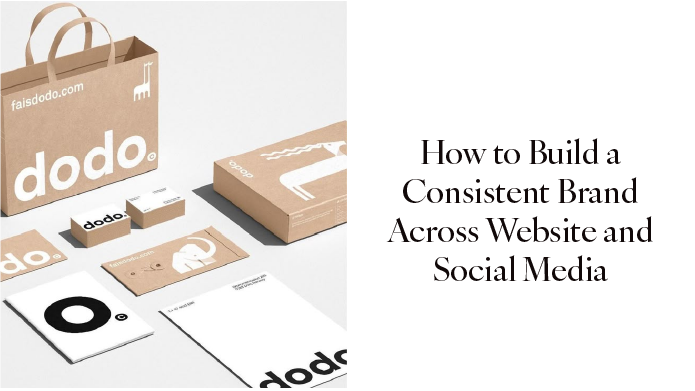
How to Build a Consistent Brand Across Website and Social Media
A professional website and active social media presence isn’t always enough to create a consistent brand. Different colours, messaging, and tones can make it harder for customers to recognise your business and understand what sets it apart.
At Our Marketing Agency, we understand how branding, website design, SEO, and social media work together to shape your online presence. Building a consistent brand means aligning your visuals, messaging, and customer experience across every channel. You don’t need every platform to look exactly the same. You need a clear brand identity that works across different channels.
This guide explains how to achieve that, avoid common mistakes, and create a more connected online presence.
What Does Brand Consistency Mean?
Brand consistency means recognizably presenting your business across your website, social media, ads, and other marketing channels.
It involves four key elements:
- Visual identity: Your logo, colours, fonts, and photography.
- Brand messaging: How you explain your services, values, and benefits.
- Brand voice: The tone and personality behind your communication.
- Customer experience: How easily people move between your website, social profiles, and other touchpoints.
For example, a luxury interior design company might use elegant fonts and polished photos on its website. Its Instagram posts can be more casual while keeping the same visual style and tone.
The content may change, but the brand should still feel familiar.
Why Is Brand Consistency Important for Your Business?
Consistent branding helps people recognise your business, understand your services, and trust your brand.
1. It Makes Your Brand Easier to Recognise
Using consistent colours, logos, photos, and messaging helps people recognise your business across platforms. This matters when someone discovers you on Instagram and later visits your website before making a decision.
2. It Builds Confidence in Your Business
Customers often check different channels before contacting a business. If your website and social media share conflicting information, it can confuse them. Consistent branding and accurate details help your business appear more trustworthy.
3. It Reinforces Your Brand Positioning
Your branding should reflect how you want customers to see your business. A premium brand needs visuals and messaging that feel high-quality, while a friendly business should maintain an approachable tone across all channels.
4. It Helps Your Marketing Channels Work Together
Your website, SEO, social media, and paid ads serve different purposes, but they should work towards the same goals. Social media introduces your services, SEO helps people find your website, and ads direct potential customers to relevant pages.
When your messaging is consistent, customers can move between these channels more easily.
How to Build a Consistent Brand Across Your Website and Social Media
Start by defining what your business stands for and how you want customers to see it. Once your brand identity is clear, you can apply it consistently across your marketing channels.
1. Define Your Brand Identity and Positioning
Before designing templates or updating your website, get clear on a few basics:
- Who is your target audience?
- What do you offer?
- What problems do you solve?
- What makes your business different?
- How do you want customers to see your brand?
- What message should they remember?
For example, a Dubai marketing agency might help businesses improve their online presence and generate leads. Its website can explain its services, while social media shares marketing tips, project updates, and industry insights. The content differs, but both support the same brand message.
Tip: Write a short statement explaining who you help, what you offer, and what makes your business different. Use it to guide your website copy and social media content.
2. Create a Consistent Visual Identity
Your visual identity helps people recognise your brand. If your website and social media look unrelated, customers may struggle to connect them.
Set simple guidelines for your:
- Logo: Use approved versions for different backgrounds and formats.
- Colours: Choose brand colours and save their colour codes.
- Fonts: Select fonts for headings and body text.
- Photography: Keep lighting, composition, and editing consistent.
- Graphics: Set guidelines for icons, backgrounds, borders, and other design elements.
Apply these guidelines across your website, Instagram posts, Reels, and Stories. Each format can have its own layout while maintaining a recognisable brand style.
Read More – What Should a Monthly Social Media Strategy Include?
3. Keep Your Brand Messaging and Tone of Voice Consistent
Your brand should sound consistent across every platform. If your website presents you as an experienced service provider, exaggerated claims or generic social media captions can weaken that impression.
Decide whether your brand should sound professional, friendly, educational, or conversational. Then follow a few simple rules:
- Use clear, simple language.
- Focus on your audience’s needs.
- Avoid exaggerated claims and promises.
- Use consistent names for your services.
- Include relevant calls to action.
Your tone can adapt to each platform. Your website might provide detailed information, Instagram might use shorter captions, and LinkedIn might focus on industry insights. The format changes, but your brand personality stays the same.
4. Align Your Website Content With Your Social Media
Your website and social media should support the same message and guide customers towards the next step.
Make sure you:
- Use consistent service names and descriptions.
- Keep prices, offers, and contact details up to date.
- Match campaign messages with landing pages.
- Use clear calls to action.
- Check that links lead to relevant pages.
- Update your website when your services change.
Your landing pages should explain the service, answer common questions, and help visitors take action.
SEO tip: Give each important page a clear purpose, descriptive title, useful headings, and content that meets visitors’ needs. Consistent branding supports a better user experience, but it doesn’t replace SEO best practices.
5. Build a Flexible Social Media Content System
Creating every post from scratch can lead to inconsistent branding, while reusing the same template can make your content feel repetitive.
Build your content around a few key topics:
- Educational posts: Answer common customer questions.
- Service posts: Explain what you offer.
- Behind-the-scenes content: Show your team and work process.
- Customer stories: Share genuine feedback and project examples.
- Industry insights: Offer useful tips and advice.
- Promotional posts: Highlight relevant offers.
Create a few templates for carousels, testimonials, and promotions. Plan content around your audience’s needs and business goals rather than chasing every trend.
Before publishing, check that each post has a clear purpose and reflects your brand identity.
6. Create Simple Brand Guidelines
Brand guidelines help your team maintain a consistent look and message across your website and social media.
Your guide should include:
- Logos: Approved versions and usage rules.
- Colours and fonts: Your brand’s visual standards.
- Photography and design: Guidelines for images and graphics.
- Brand voice: Your writing style and tone.
- Key messages: Core messages and service descriptions.
- Social media templates: Designs for different post formats.
- Examples: Samples of suitable designs and language.
Keep everything in a shared folder so your team can access the latest versions. Assign someone to review content and update brand assets when needed. This helps prevent mixed messages across platforms.
7. Review Your Branding Whenever Your Business Changes
Your brand should grow with your business while keeping its core identity consistent.
Whenever you introduce new services, change your positioning, or redesign your website, review your:
- Website homepage and service pages.
- Social media bios and profile pictures.
- Pinned posts and highlights.
- Content templates.
- Ads and landing pages.
- Old offers and service descriptions.
You don’t need to update every old post. Focus on the content customers still see and anything that no longer reflects your business accurately.
How to Maintain Brand Consistency Without Making Every Platform Look the Same
Your website and social media serve different purposes, so their content doesn’t need to be identical.
Your website provides detailed information and guides visitors towards an enquiry or purchase. Social media helps people discover your brand, engage with your content, and learn more about your business.
| Platform | Main Focus | What should remain consistent |
| Website | Services, useful content, and navigation | Brand identity and core messaging |
| Reels, carousels, stories, and visual content | Visual style and personality | |
| Industry insights and professional updates | Brand values and positioning | |
| Community content and business updates | Brand voice and service information |
Each piece serves a different purpose, but all three communicate the agency’s expertise in digital marketing.
Common Brand Consistency Mistakes to Avoid
Even established businesses can develop branding inconsistencies over time. Here are some common mistakes to avoid:
- Using too many colours, fonts, and design styles: Set clear visual guidelines so your designs feel connected.
- Changing your message across platforms: Keep your main service descriptions and value proposition aligned.
- Making every post look identical: Use different formats while following the same design principles.
- Ignoring the customer journey: Make sure social media links lead to relevant pages and current offers.
- Leaving outdated information online: Update old service descriptions, contact details, and expired offers.
- Creating guidelines but not using them: Keep your guide accessible and include it in your content approval process.
How to Audit Brand Consistency Across Your Website and Social Media
A simple audit can help you spot inconsistencies across your website and social media. Open your website alongside your main social profiles and check the following:
- Visual identity: Are your logos, colours, fonts, and images consistent across platforms?
- Brand positioning: Do all your channels communicate what makes your business different?
- Messaging: Are your services and their benefits described clearly and consistently?
- Tone of voice: Does your brand sound familiar, whether someone reads your website or social media posts?
- Social media profiles: Are your bios, links, and pinned posts up to date?
- Website experience: Can visitors easily find the information they need and take the next step?
- Business information: Are your services, offers, and contact details accurate?
- Brand guidelines: Does everyone on your team use the same guidelines and approved assets?
Read More – How to Build a Luxury Brand in Dubai
Which Problems Should You Fix First?
You don’t need to change everything at once. Start with the issues most likely to confuse customers or affect their experience.
- Update incorrect information. Fix outdated service descriptions, offers, and contact details.
- Correct major visual differences. Make sure your website and social media share a recognisable look.
- Align your messaging. Ensure every channel communicates your brand’s main value and benefits.
- Fix the customer journey. Repair broken links and direct visitors to relevant pages.
- Polish smaller details. Once the main issues are resolved, review templates, fonts, and other design elements.
For example, a broken enquiry link should be fixed before a minor difference in font size. Focus on what matters most to your customers first.
How Often Should You Review Your Branding?
Review your branding regularly and whenever your business goes through a major change.
A website redesign, new service, rebrand, or major campaign can affect how your business looks and sounds across different channels. Update your website and social media whenever your services, offers, or contact details change.
The aim is to keep your brand consistent and your information accurate without making every small update a big project.
How to Measure Whether Your Brand Consistency Efforts Are Working
Brand consistency is about more than using the same colours and fonts. Your branding should also support your business goals.
Track key metrics such as:
- Website visits from social media
- Engagement with branded content
- Service page visits
- Enquiries and conversions
- Branded search interest
Also, check whether visitors can easily find the information they need. Before making changes, consider other factors that may affect results, such as advertising, offers, and seasonal demand.
How The Marketing Socials Can Help Build a Consistent Brand
Keeping your website, social media, and ads aligned takes planning, especially when different teams manage each channel.
At The Marketing Socials, we bring these services together to create a more consistent online presence.
- Branding: Define your identity, positioning, and visual style.
- Website design: Create a website that reflects your brand and is easy to navigate.
- SEO: Publish useful content that answers customer questions and supports search visibility.
- Social media marketing: Create content that fits your brand and each platform.
- Paid advertising: Keep ad messages consistent with the pages visitors land on.
When these channels work together, customers get a clearer and more consistent experience. Start by fixing the biggest gaps in your branding, messaging, and content.
Read More – Best Social Media Platforms for Real Estate Businesses in Dubai
Want to bring your online presence together? Contact The Marketing Socials to discuss a digital marketing strategy that fits your business goals.
FAQs
1. How do I make my website and social media branding consistent?
Define your visual style, core messaging, and tone of voice, then apply them across your channels. Use simple guidelines and flexible templates to keep your brand recognisable.
2. What should brand guidelines include?
Include your logo, colours, fonts, photography style, brand voice, key messages, and social media templates. Add examples to help your team apply them correctly.
3. Can my social media have a different design from my website?
Yes. Each platform can use different layouts and formats, as long as your brand identity, personality, and core message remain consistent.
4. How can a small business maintain consistent branding?
Create a simple brand guide, store approved assets in one place, use flexible templates, and review content before publishing.
5. Does brand consistency improve SEO?
Not directly. However, clear messaging and a consistent user experience can support your website’s usability, while rankings depend on several SEO factors.
6. How do I know if my website and social media branding are inconsistent?
Compare your visuals, messaging, service information, tone, and links. If your channels communicate conflicting information or feel like separate businesses, identify and fix the biggest gaps first.