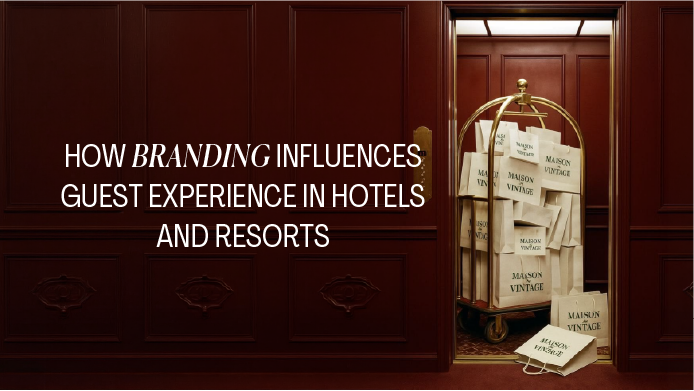
How Branding Influences Guest Experience in Hotels and Resorts
Today, guests don’t just book a hotel because it has comfortable rooms or a convenient location. They want an experience they can remember, share on social media, and recommend to others. This is where branding becomes one of the most powerful tools for hotels and resorts.
A strong hotel brand shapes how guests feel from the moment they discover your property online until long after they check out. Every interaction—from your website and social media to your lobby design, staff uniforms, room interiors, and customer service—creates an impression that influences whether guests trust your business, enjoy their stay, and return.
In this guide, we’ll explain how branding influences guest experience in hotels and resorts, why it matters more than ever, and how professional branding can help hospitality businesses attract more bookings and build long-term customer loyalty.
What Does Hotel Branding Really Mean?
Many people think branding is just a logo or a catchy slogan. In reality, branding is much more than that. Hotel branding is the complete identity of your business. It represents how guests see, remember, and experience your hotel.
A hotel brand includes:
- Logo and visual identity
- Website design
- Social media presence
- Photography style
- Interior design
- Staff uniforms
- Customer service
- Brand voice and messaging
Every one of these elements works together to create a consistent experience.
How Guest Experience Begins Before Check-In
Guest experience doesn’t start when someone walks through your doors. It begins the moment they discover your hotel online. Most travellers visit several hotel websites before making a booking. They compare photos, reviews, prices, amenities, and overall presentation.
Your branding helps answer important questions:
- Can I trust this hotel?
- Does it look professional?
- Does it match the experience I’m looking for?
- Is it worth the price?
Several branding elements influence these decisions:
- Professional Website
A clean, easy-to-use website creates confidence and makes booking simple.
- High-Quality Photography
Professional images help guests imagine themselves staying at your property.
- Social Media Presence
Consistent branding across Instagram, Facebook, and LinkedIn shows that your business is active and trustworthy.
- Guest Reviews
Positive reviews combined with strong branding build credibility. When these elements work together, guests feel confident booking directly with your hotel.
How Branding Shapes Every Stage of the Guest Journey
Branding affects every interaction guests have with your hotel.
Before Arrival
Before booking, guests notice:
- Your website
- Google Business Profile
- Online reviews
- Social media pages
- Email communication
- Brand messaging
A professional brand creates excitement and sets clear expectations.
During Check-In
The first few minutes inside your hotel often determine a guest’s overall impression.
Important branding touchpoints include:
- Reception design
- Welcome signage
- Staff appearance
- Lighting
- Music
- Scent
- Welcome drinks or gifts
These details communicate your hotel’s personality before guests even enter their rooms.
During the Stay
Branding continues throughout the guest experience.
Guests notice:
- Room interiors
- Restaurant menus
- Spa branding
- Wayfinding signs
- Hotel amenities
- Bathroom products
- Digital services
- Printed materials
Consistency makes guests feel comfortable and reassures them that every part of the hotel has been thoughtfully designed.
After Check-Out
Branding doesn’t end when guests leave.
Hotels can continue the relationship through:
- Thank-you emails
- Loyalty programmes
- Feedback requests
- Social media engagement
- Special offers
- Birthday greetings
These small touchpoints encourage repeat bookings and strengthen customer relationships.
The Psychology Behind Strong Hotel Branding
Branding influences how people think and feel. Here are some of the biggest psychological effects.
Branding Builds Trust
People naturally trust businesses that look professional and consistent. A polished website, quality photography, and cohesive branding make guests feel confident before booking.
Branding Creates Comfort
When every part of the hotel matches the same visual style and service quality, guests feel relaxed because they know what to expect.
Branding Creates Emotional Connections
Guests often remember how a hotel made them feel rather than specific facilities. Warm hospitality, beautiful design, and thoughtful details create emotional memories that encourage repeat visits.
Branding Increases Perceived Value
Luxury branding often allows hotels to charge premium prices because guests associate quality branding with better experiences.
Branding Influences Decision Making
Travellers often choose between similar hotels based on how the brand makes them feel rather than comparing features alone.
Key Branding Elements That Improve Guest Experience
Every branding element contributes to the guest journey.
Professional Logo Design
Your logo creates the first visual impression and helps guests recognise your hotel.
Consistent Brand Colours
Using the same colours across your website, property, and marketing materials creates consistency. Colours also influence emotions.
For example:
- Blue creates trust.
- Green suggests nature and relaxation.
- Gold represents luxury.
- White communicates cleanliness.
Typography
Easy-to-read fonts improve communication while reinforcing your hotel’s personality.
Interior Design
Furniture, lighting, artwork, and décor should all support your brand identity. A boutique hotel may choose artistic interiors, while a luxury resort may focus on elegance and sophistication.
Staff Uniforms
Professional uniforms help guests easily identify staff while strengthening brand identity.
Signage
Clear and attractive signs improve navigation and reduce guest frustration.
Guest Amenities
Packaging for toiletries, welcome kits, room service menus, and gifts should reflect your brand. Small details leave lasting impressions.
Hotel Photography
Professional photography showcases your property accurately while creating emotional appeal. Authentic, high-quality images also improve website engagement and booking conversions.
Social Media Design
Consistent social media posts strengthen recognition and help potential guests connect with your brand before visiting.
Website User Experience
Guests should be able to:
- Find information quickly
- View rooms easily
- Book without confusion
- Contact your team effortlessly
A well-designed website improves both user experience and direct bookings.
Why Consistent Branding Creates Better Guest Memories
Consistency helps people remember your hotel. When every interaction feels connected, guests are more likely to:
- Recommend your hotel
- Leave positive reviews
- Share photos online
- Return for future stays
- Recognise your brand instantly
Inconsistent branding creates confusion. For example, if your website looks modern but your property feels outdated, guests may feel disappointed because expectations don’t match reality.
How Branding Helps Hotels Stand Out in a Competitive Market
Thousands of hotels compete for the same guests. Branding helps people remember why they should choose yours.
A strong brand helps hotels:
- Build recognition
- Communicate unique value
- Attract ideal customers
- Create emotional connections
- Justify premium pricing
- Increase direct bookings
- Reduce dependence on discounting
Instead of competing only on price, branded hotels compete on experience.
Common Hotel Branding Mistakes That Hurt Guest Experience
Many hotels unintentionally weaken their brand. Here are some common mistakes.
Inconsistent Visual Identity
Different colours, fonts, and logos across platforms confuse customers.
- Solution: Create clear brand guidelines.
Poor Website Design
An outdated website makes guests question your professionalism.
- Solution: Invest in a modern, mobile-friendly website.
Low-Quality Photography
Dark or outdated images reduce booking confidence.
- Solution: Use professional photography that reflects the actual guest experience.
Mixed Brand Messaging
If your hotel claims to be luxurious but communicates casually, guests receive mixed signals.
- Solution: Maintain one clear brand voice.
Generic Interiors
Rooms that lack personality are less memorable.
- Solution: Design spaces that support your hotel’s unique identity.
Weak Social Media Presence
Irregular posting and inconsistent visuals make your brand appear inactive.
- Solution: Maintain a consistent content strategy.
How Professional Branding Services Help Hotels Create Better Guest Experiences
A professional branding agency helps hotels develop an identity that reflects their values while meeting guest expectations.
Professional branding services often include:
- Brand strategy
- Logo design
- Visual identity systems
- Brand guidelines
- Website design
- Social media branding
- Marketing materials
- Photography direction
- Signage design
- Guest communication templates
When all these elements work together, guests enjoy a smoother, more memorable experience.
Why Choose The Marketing Socials for Hospitality Branding?
At The Marketing Socials, we help hotels and resorts create brands that guests remember long after they check out.
Our team combines strategy, creativity, and digital expertise to build hospitality brands that are visually consistent, customer-focused, and designed for long-term growth. Whether you’re launching a boutique hotel, rebranding a luxury resort, or improving your online presence, we can help you create a brand that reflects your vision and enhances every guest interaction.
Our services include:
- Brand identity design
- Logo design
- Website design
- UI/UX design
- Social media creative design
- Marketing collateral
- Digital branding strategy
Our goal is simple: help your hotel stand out, attract more guests, and build lasting loyalty.
Final Thoughts
Branding is no longer just about creating a beautiful logo or choosing attractive colours. It is about designing a complete guest experience that feels consistent, trustworthy, and memorable from the first online interaction to the final farewell.
Hotels and resorts that invest in thoughtful branding are better positioned to earn guest trust, increase direct bookings, encourage positive reviews, and build lasting loyalty. Every touchpoint whether it’s your website, photography, interiors, service style, signage, or digital communication—plays a role in shaping how guests perceive your brand.
If you’re ready to create a hospitality brand that stands out in a competitive market, The Marketing Socials can help you develop a strategic brand identity that enhances guest experiences and supports long-term business growth.
Frequently Asked Questions
Does branding really improve hotel guest satisfaction?
Yes. It creates consistency and trust, which improves the guest experience.
How is hotel branding different from hotel marketing?
Branding defines the hotel identity. Marketing promotes that identity to drive bookings.
What branding elements matter most for hotels?
The most important elements are a clear strategy, strong visuals, and great service. A consistent website and on-property design also matter.
Can small hotels benefit from branding?
Yes. Strong branding helps small hotels stand out and build loyal guests.
How often should hotels update their branding?
Small updates can happen often. A full refresh is usually needed every 5–10 years or after a major business change.