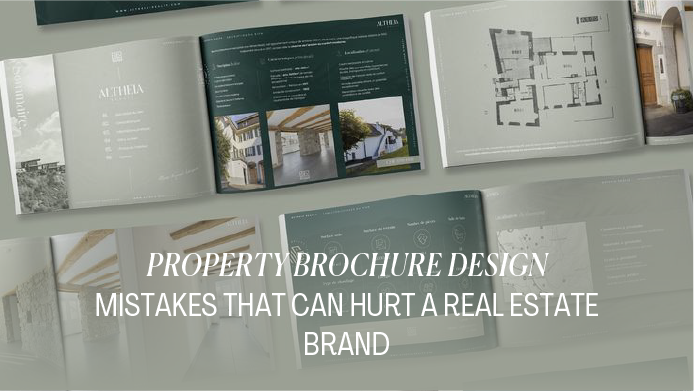
Property Brochure Design Mistakes That Can Hurt Your Real Estate Brand
A property brochure is often the first impression a potential buyer has of your real estate brand. Whether someone picks up your brochure at a property exhibition, receives it during a site visit, or downloads it from your website, the design of that brochure influences how they perceive your business.
In today’s competitive real estate market, buyers have plenty of options. They compare projects, developers, prices, locations, and marketing materials before enquiring. If your brochure looks outdated, cluttered, or unprofessional, people may assume the same about your project–even if the property itself is excellent. A well-designed brochure helps communicate trust, quality, and professionalism.
In this blog, we’ll explore the most common property brochure design mistakes that can hurt a real estate brand and explain how you can avoid them.
Why Property Brochure Design Matters
Digital marketing has transformed how people search for properties, but brochures continue to play an important role in the buyer journey. A professionally designed property brochure helps buyers understand your project by combining visuals, information, and storytelling to create an emotional connection with potential customers.
A good brochure can:
- Build trust in your brand
- Present your project professionally
- Highlight your property’s unique selling points
- Make information easy to understand
- Encourage buyers to take the next step
How Poor Brochure Design Can Damage Your Real Estate Brand
Unfortunately, even excellent projects can lose credibility because of poor design. Here are some of the biggest ways bad brochure design affects your business.
- It creates a weak first impression: a poorly designed brochure makes buyers question your professionalism before reading a single word.
- It reduces buyer trust: missing information, inconsistent branding, low-quality images, and confusing layouts can make buyers wonder whether the developer pays attention to detail.
- It confuses potential buyers: when information is difficult to find, or pages are overcrowded, buyers may leave with unanswered questions and lose interest.
- It lowers marketing performance: if your brochure fails to communicate clearly, your marketing campaigns may generate fewer leads despite significant advertising investment.
- It makes premium projects look ordinary: a brochure that lacks elegance can make an expensive project appear less valuable than it actually is.
Read More – Brochure vs Flyer vs Catalog
10+ Property Brochure Design Mistakes That Can Hurt Your Brand
Let’s look at the most common mistakes that real estate businesses make and how to fix them.
1. Using Low-Quality Property Images
Real estate is highly visual. Blurry photographs, pixelated renders, or poorly edited visuals immediately reduce the perceived value of your project.
Why this hurts your brand
- Makes projects appear less premium
- Reduces buyer confidence
- Creates an unprofessional impression
- Weakens emotional appeal
Best practice
Use professional architectural dubai photography and videography, high-quality interior real estate photography, drone shots, and realistic 3D renders. Every image should be high resolution and professionally edited while accurately representing the property.
2. Overcrowding Every Page with Information
Some brochures try to include every possible detail on each page. The result is too much text, too many icons, multiple colours, and very little breathing space. Instead of informing buyers, this overwhelms them.
Common signs of overcrowding
- Large paragraphs
- Too many bullet points
- Multiple graphics competing for attention
- Small font sizes
- Limited white space
Best practice
Keep each page focused on one purpose. Use headings, short paragraphs, icons, and generous spacing to improve readability. White space helps important information stand out.
3. Ignoring Visual Hierarchy
Good brochure design guides readers smoothly from headlines to images, key benefits, and contact information. Without a clear hierarchy, buyers may not know where to look first.
Common problems
- Headlines blend into body text
- Important details are hidden
- Pages feel disorganised
- Readers lose interest quickly
Best practice
Use larger headings, consistent typography, highlighted key points, and logical page layouts. Make the most important information impossible to miss.
4. Inconsistent Branding Throughout the Brochure
Using different colours, fonts, logo placements, or design styles throughout the brochure creates an inconsistent experience. Strong branding helps buyers recognise and remember your company.
Signs of inconsistent branding
- Different font styles on each page
- Random colour combinations
- Multiple design themes
- Inconsistent logo placement
- Changing photography styles
Best practice
Create a consistent visual identity by using the same fonts, colour palette, logo positioning, icon style, and design language across every page. Consistency makes your brand appear more professional and trustworthy.
5. Choosing Fonts That Are Difficult to Read
Some brochures use decorative fonts that may look attractive but can be difficult to read, especially in print. Small fonts can also frustrate readers.
Why this becomes a problem
- Buyers skip important information
- Reading becomes tiring
- Professional appearance decreases
- Older audiences struggle to read content
Best practice
Use clean, modern fonts with appropriate spacing. Maintain consistent font sizes for headings, subheadings, and body text. Always test readability before finalising the design.
6. Designing Without Understanding the Target Buyer
Not every property is marketed to the same audience. Many businesses create one generic design that fails to connect with their ideal buyers.
Different buyers expect different experiences.
Luxury buyers
- Elegant layouts
- Premium photography
- Minimalist design
- Sophisticated colours
First-time homebuyers
- Clear pricing
- Easy-to-understand information
- Financing options
- Community benefits
Investors
- ROI highlights
- Growth potential
- Rental demand
- Market insights
Best practice
Before designing a brochure, identify your target audience and tailor the design, messaging, and visuals to match their expectations and buying priorities.
7. Relying on Generic Stock Photos Instead of Real Property Visuals
Overusing stock photos reduces authenticity and can make your marketing feel less credible. Today’s buyers value transparency. They want to see the real property, the actual amenities, the surrounding neighbourhood, and the genuine lifestyle opportunities.
Better alternatives include
- Professional property photography
- Real construction progress images
- Drone photography
- Actual amenities
- Original lifestyle photography
- High-quality architectural visualisations
Best practice
Whenever possible, prioritise original visuals over stock photography. Authentic images build confidence and help buyers imagine themselves in the space more effectively.
8. Poorly Designed Floor Plans and Site Maps
Floor plans and site maps help people understand the layout, room sizes, amenities, and the overall project. If these visuals are cluttered, too small, or difficult to understand, buyers may lose interest before exploring the rest of the brochure.
Common mistakes
- Tiny labels that are hard to read
- Low-resolution floor plans
- Missing dimensions
- Unclear symbols or legends
- Poor colour contrast
Best practice
Keep floor plans clean and easy to read. Highlight important spaces, use consistent colours, and ensure labels are large enough for both print and digital viewing. A simple, well-designed floor plan improves the overall buyer experience.
9. Forgetting Strong Calls-to-Actions (CTAs)
Many brochures provide excellent information but fail to tell buyers what to do next. After learning about your project, you should guide buyers towards the next step, whether that’s booking a site visit, contacting your sales team, or downloading more information.
Effective CTAs include:
- Schedule a Site Visit
- Speak with Our Sales Consultant
- Download the Complete Project Details
- Call Us Today
Best practice
Place clear CTAs throughout the brochure, especially on the final page. Include contact details, website links, email addresses, and QR codes so buyers can easily connect with your business.
10. Not Optimising the Brochure for Digital Viewing
Today’s property buyers often receive brochures through email, WhatsApp, websites, or social media before visiting the property. If your brochure is designed only for printing, it may be difficult to read on mobile devices.
Common digital design mistakes
- Large file sizes
- Tiny text on smartphones
- Non-clickable contact details
- Missing hyperlinks
- Poor PDF formatting
Best practice
Create brochures that work equally well in print and digital formats. Add clickable phone numbers, website links, email addresses, and QR codes. Keep file sizes manageable so buyers can download and share them easily.
11. Including Outdated or Incorrect Information
Imagine a buyer calling a phone number that no longer works or visiting your website only to discover outdated pricing and amenities.
These mistakes create frustration and reduce trust.
Information that should always be checked
- Contact details
- Project specifications
- Pricing (where applicable)
- Floor plans
- Completion timelines
- Website links
- QR codes
Best practice
Review every brochure before printing or publishing. Even a small error can affect your brand’s reputation and lead to missed sales opportunities.
Read More – Brochure Design for Dubai Real Estate Business – Why It’s Important
What Makes a High-Converting Real Estate Brochure
Here are the important elements every high-performing brochure should include:
- A Strong Brand Identity: Use consistent colours, typography, logos, and visual elements that reflect your company’s personality and values.
- Professional Photography and 3D Visualisations: High-quality visuals help buyers understand the property and build confidence in your project.
- Buyer-Focused Copywriting: Instead of only describing features, explain the benefits buyers will enjoy.
- A Clean and Modern Layout: Well-organised pages with plenty of white space improve readability and make information easier to absorb.
- Clear Floor Plans and Site Maps: Simple, easy-to-read layouts help buyers visualise the property without confusion.
- Premium Print Quality: If you’re producing printed brochures, choose quality paper and finishes that reflect the standard of your project.
- Strong Calls-to-Action: Guide buyers towards the next step with clear instructions and contact options.
- Digital-Friendly Design: Ensure the brochure works seamlessly on desktops, tablets, and smartphones.
Property Brochure Design Best Practices
Following these practices helps create a brochure that looks professional and supports your overall marketing strategy.
- Keep the design clean and uncluttered.
- Use high-resolution, original property images.
- Maintain consistent branding throughout.
- Write concise, benefit-focused copy.
- Use headings and white space to improve readability.
- Highlight your project’s unique selling points.
- Include testimonials or trust-building elements where relevant.
- Add QR codes linking to virtual tours, websites, or enquiry forms.
- Optimise brochures for both print and digital sharing.
- Proofread every page before publishing.
Should You Hire a Professional Real Estate Design Agency?
A professional design agency understands how to combine branding, content, and visual communication to create brochures that generate interest and enquiries.
Working with professionals can help you:
- Build a stronger brand image
- Create custom brochure designs
- Improve buyer engagement
- Maintain consistency across all marketing materials
- Save time and internal resources
- Produce brochures designed to support sales and lead generation
If you’re launching a premium property or building a long-term brand, investing in professional brochure design can deliver significant value.
Why Choose The Marketing Socials for Property Brochure Design?
At The Marketing Socials, we believe every property has a story worth telling. Our brochure designs are created to strengthen your brand and support your marketing goals.
Our team combines creative design, strategic copywriting, and branding expertise to develop brochures that communicate professionalism and inspire confidence.
Our property brochure design services include:
- Custom brochure design tailored to your project
- Brand-focused layouts and visual identity
- Persuasive, buyer-friendly copywriting
- Print and digital brochure formats
- Professional typography and layout design
- Fast turnaround without compromising quality
- End-to-end creative support for real estate marketing
Whether you’re promoting luxury villas, residential communities, commercial developments, or investment projects, we create brochures that leave a lasting impression.
Key Takeaways
- A property brochure is a reflection of your real estate brand and plays a key role in building buyer trust.
- Poor design choices can reduce credibility and discourage potential enquiries.
- High-quality visuals, clear layouts, consistent branding, and compelling copy make brochures more effective.
- Designing with your target audience in mind helps create a stronger connection with buyers.
- A professionally designed brochure can improve brand perception and support better marketing results.
Read More – Top 5 Design Companies for Real Estate Business in Dubai
Final Thoughts
A property brochure is a reflection of your real estate brand. Every design choice, from photography and typography to colours and messaging, shapes how buyers perceive your business. Avoiding common design mistakes helps you create brochures that are professional, informative, and easy to navigate. More importantly, it allows you to communicate your property’s value clearly and build trust with potential buyers.
At The Marketing Socials, we help real estate businesses create property brochures that combine strong branding, compelling storytelling, and conversion-focused design. Whether you’re launching a new project or refreshing your existing marketing materials, our team can create brochures that leave a lasting impression and support your business growth.
Contact The Marketing Socials today and let us design a property brochure that showcases your project with clarity, creativity, and confidence.
Frequently Asked Questions
What should a property brochure include?
A good property brochure should include high-quality images, project details, floor plans, key amenities, contact information, and a clear call to action. It should also reflect your brand’s style and professionalism.
Why is brochure design important for real estate marketing?
A well-designed brochure builds trust, showcases your project effectively, and encourages potential buyers to enquire or book a site visit.
How many pages should a property brochure have?
Most property brochures are between 8 and 24 pages, depending on the size of the project and the information you want to share.
Should property brochures be designed for both print and digital use?
Yes. Designing for both print and digital ensures buyers have a smooth viewing experience, whether they receive the brochure in person or online.
What is the biggest mistake in property brochure design?
One of the biggest mistakes is designing without considering your target audience. Your brochure should match the needs and expectations of the buyers you’re trying to attract.
Can a professionally designed brochure increase property enquiries?
Yes. A professional brochure creates a strong first impression, builds credibility, and makes buyers more likely to enquire about your property.