How Product-Focused Design Improves Ecommerce Brands
Having a great product is no longer sufficient; consumers are exposed to countless online stores every day, and their buying decisions are often influenced by how products are presented rather than the products themselves.
If a store feels cluttered, confusing, or unprofessional, visitors may leave before they even start exploring the products. On the other hand, a well-designed e-commerce website that places products at the center of the experience can instantly build trust, improve engagement, and increase sales.
This is where product-focused design matters.
Product-focused design is one of the most effective strategies ecommerce brands use to improve customer experience, strengthen brand perception, and drive conversions. Whether you’re selling fashion, electronics, beauty products, furniture, or lifestyle goods, putting your products front and center can significantly impact your business growth.
In this guide, we’ll explore what product-focused design is, why it matters, and how it helps ecommerce brands succeed.
What is Product-Focused Design in Ecommerce?
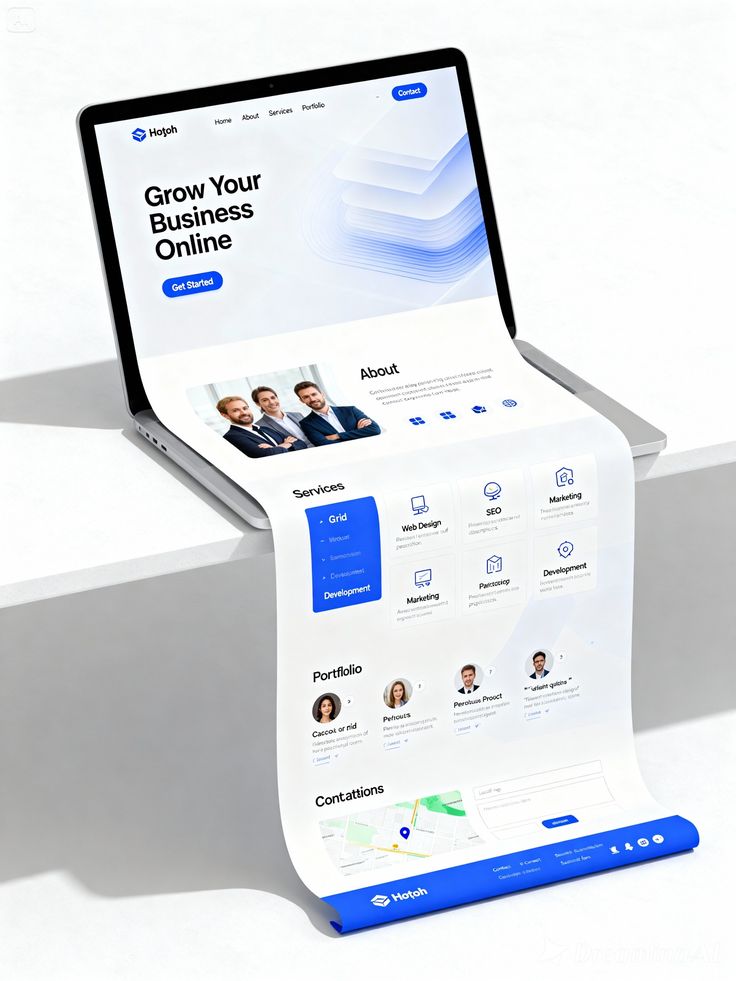
Product-focused design is an e-commerce design approach that prioritizes products throughout the customer’s journey. Instead of overwhelming visitors with excessive graphics, distractions, or complicated layouts, the design is built to help shoppers discover, understand, and purchase products easily.
The goal is simple: make the product the main attraction of the website.
Every element-from navigation and visuals to product descriptions and calls-to-action – is designed to support purchasing decisions.
Read More – Logo Redesign vs Rebrand
Why Product-Focused Design Matters
Today’s shoppers expect:
- Fast-loading websites
- Mobile-friendly experiences
- High-quality product visuals
- Clear information
- Simple purchasing processes
With hundreds of competitors often selling similar products, design is what mainly differentiates you from others. Brands that make shopping easier often perform better than competitors, even when offering similar products and pricing.
Why Product-Focused Design is Essential for Ecommerce
- First Impressions Affect Buying Decisions– a clean, professional, product-centered design immediately showcases credibility. High-quality visuals, organised layouts, and intuitive navigation create confidence and encourage users to continue exploring.
- Helps Customers Find What They Need Faster– customers visit e-commerce websites because they want to find their desired products quickly without frustration. The easier it is to find the products, the more likely customers are to convert.
- Creates a Stronger Brand Identity– consistent product presentation, photography, typography, colours, and layouts help create a recognizable and professional identity. This consistency increases brand recognition and customer trust.
- Builds Customer Confidence– product-focused design gives shoppers all the information they need—from clear images and videos to detailed descriptions and reviews—helping them feel confident and comfortable before making a purchase.
How Product-Focused Design Improves User Experience
Simplifies the Customer Journey
The best e-commerce experiences remove obstacles. The journey becomes smoother if there are fewer steps involved.
Product-focused design simplifies the shopping journey by helping customers:
- Find products faster
- Understand products easily
- Compare options efficiently
- Complete purchases quickly
Reduces Shopping Friction
Every unnecessary click or distraction increases the chances of a customer leaving the website without shopping for anything. Conversion rates often improve. When customers can shop effortlessly.
Product-focused design reduces friction through:
- Clear navigation
- Intuitive layouts
- Streamlined product pages
- Simple checkout experiences
Improves Product Comparisons
Customers frequently compare products before purchasing. Well-designed e-commerce stores make comparisons easier by presenting:
- Consistent specifications
- Clear feature lists
- Side-by-side comparison tools
- Visual differences
Helping customers evaluate options speeds up decision-making.
Enhances Mobile Shopping Experiences
Mobile shoppers often have less patience than desktop users. To ensure higher engagement and lower bounce rates, product-focused design ensures:
- Fast access to product information
- Easy browsing
- Quick checkout processes
- Better usability on smaller screens
How Product-Focused Design Increases Ecommerce Conversions
Encourages More Product Engagement
When products are prominently displayed and easy to explore, customers spend more time interacting with them. More engagement often translates into more sales opportunities.
Improves Add-to-Cart Rates
Clear product pages and strong visual presentation encourage customers to take action. Clear call-to-action buttons, compelling product benefits, trust signals, and customer reviews work together to build confidence and encourage shoppers to make a purchase.
Reduces Cart Abandonment
Many customers abandon carts due to a lack of trust when shipping information, return policies, product details, reviews, and security indicators are not clearly displayed. Introducing these elements can significantly lower abandonment rates.
Boosts Average Order Value
Strategic product-focused design can encourage larger purchases through:
- Related product recommendations
- Product bundles
- Frequently bought together sections
- Cross-selling opportunities
These features increase revenue without requiring additional traffic.
Increases Repeat Purchases
A positive shopping experience creates lasting impressions.
When customers enjoy browsing, purchasing, and receiving products, they are more likely to return for future purchases and become loyal customers.
Product-Focused Design and Ecommerce Branding
Building Brand Credibility – Professional product presentation reflects professionalism as a brand. High-quality visuals, clean design, and consistent branding increase customer trust and influence purchase decisions significantly.
Creating Emotional Connections – People often buy based on emotion and justify purchases with logic. Storytelling visuals, lifestyle photography, and consistent branding help customers connect with products on a more personal level.
Differentiating From Competitors – Many e-commerce businesses sell similar products. A strong product-focused design helps your brand stand out by creating a memorable shopping experience that customers enjoy and trust.
Key Elements of Effective Product-Focused Ecommerce Design
High-Quality Product Photography
High-quality photography helps customers understand products better and increases perceived value.
Since customers rely heavily on visuals, to increase trust among customers, product images should be:
- High resolution
- Professionally lit
- Consistent across products
- Available from multiple angles
- Zoom-enabled
Clear Product Descriptions
Effective product descriptions should focus on:
- Benefits
- Features
- Use cases
- Materials
- Specifications
- Care instructions
Avoid generic descriptions. Instead, explain how the product solves problems or improves the customer’s life.
Strategic Use of White Space
Luxury brands frequently use white space because it allows products to stand out naturally.
White space helps:
- Improve readability
- Draw attention to products
- Create a premium appearance
- Reduce visual clutter
Effective Product Page Layouts
Product pages should answer customer questions quickly and clearly. Logically organise all the information so users don’t have to search for important details.
Mobile-Friendly Product Presentation
Mobile commerce continues to grow globally, making mobile optimization essential. A poor mobile experience can significantly impact conversions and customer satisfaction.
Product Videos and Interactive Content
Videos can provide information that static images cannot. Interactive features such as 360-degree product views and augmented reality experiences are becoming increasingly popular in e-commerce.
Read More – Why Good Content Fails Without Professional Presentation Design
Best Practices for Implementing Product-Focused Design
- Understand Your Audience – Understanding your audience helps you design experiences that meet their needs.
- Prioritize Product Visibility – Avoid unnecessary design elements that compete for attention from the product.
- Invest in Professional Product Photography – High-quality visuals improve trust, engagement, and conversions.
- Optimize Product Pages for SEO – Combining SEO with strong design improves both visibility and conversions.
- Continuously Test and Improve – Customer preferences evolve. Continuous improvement in customer experience ensures continued growth.
Real-World Examples: How Product-Focused Design Helped Ecommerce Brands Grow
Here are a few examples that demonstrate the impact of product-focused design.
1. Apple: Letting the Product Speak for Itself
Apple’s website uses clean layouts, large product images, ample white space, and concise messaging to keep attention on the product.
Results:
- Stronger product engagement
- Premium brand perception
- Higher customer confidence during purchase decisions
- Industry-leading online conversion performance
Key Lesson: Sometimes less is more. Removing distractions helps customers focus on what matters most: the product.
2. Gymshark: Using Lifestyle Visuals to Drive Sales
Gymshark started showcasing products in real workout settings, optimized for mobile users, and built trust through customer-driven content.
Results:
- Stronger emotional connection with customers
- Increased engagement on product pages
- Higher conversion rates among younger audiences
- Significant growth in brand loyalty
Key Lesson: Showing products in real-life situations helps customers visualize ownership and usage.
3. IKEA: Helping Customers Visualize Products
IKEA made it easier for customers to visualise products in their own homes by using realistic room visuals, interactive features, and detailed product information.
Results
- Greater customer confidence
- Better purchasing decisions
- Reduced uncertainty before buying
- Improved overall shopping experience
Key Lesson: The easier it is for customers to visualize a product, the more comfortable they feel making a purchase.
What Ecommerce Brands Can Learn From These Examples
Although these brands operate in different industries, their strategies share several common themes:
- They make products the center of attention.
- They invest heavily in product photography and visual content.
- They reduce distractions and simplify navigation.
- They help customers visualize products before purchasing.
- They focus on creating confidence throughout the buying journey.
The takeaway is clear: when ecommerce brands design their websites to be product-focused, they often see improvements in engagement, trust, conversions, and long-term customer loyalty.
Conclusion
Product-focused design is a powerful business strategy that directly influences how customers perceive your brand, interact with your products, and make purchasing decisions.
By prioritizing product visibility, investing in high-quality dubai photography, simplifying navigation, improving product pages, and creating seamless shopping experiences, ecommerce brands can build trust, increase conversions, and strengthen long-term customer loyalty.
A product-focused design approach ensures your products remain the star of the shopping experience while helping your business maximize both customer satisfaction and revenue.